


Need Professional Help with Addiction?
Addiction Recovery & Detox
Table of Contents
- What Does Anxiety Feel Like?
- Physical Symptoms of Anxiety
- Emotional Symptoms of Anxiety
- Mental Symptoms of Anxiety
- Signs of Anxiety in Daily Life
- How Anxiety Feels During an Anxiety Attack
- How Anxiety Can Affect Sleep
- How Anxiety Can Affect Your Daily Routine
- When Should You Ask for Help?
- What Can You Do When You Feel Anxious?
- Conclusion
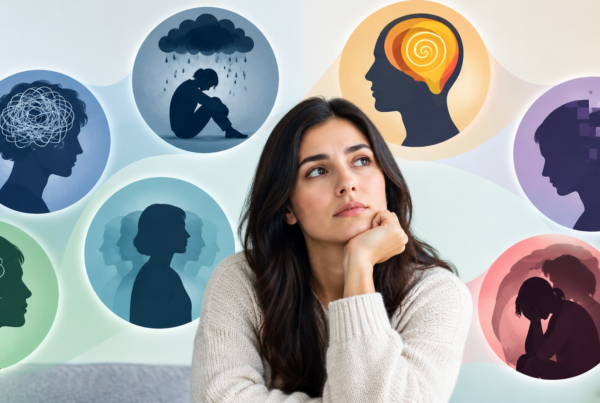
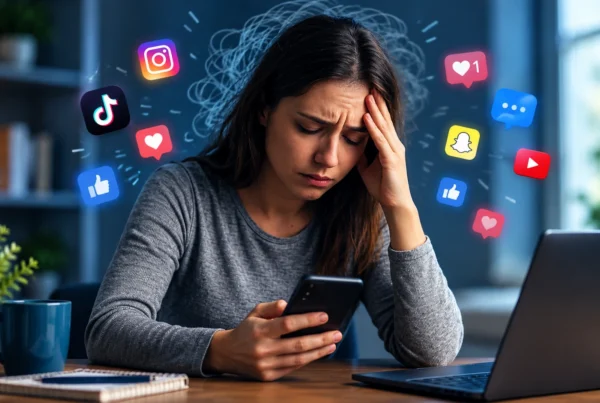
Anxiety can affect you with or without a clear reason. Some people feel nervous and others notice shallow breathing. But, knowing what does anxiety feel like can unpack what is happening and it can also help you know when to ask for support.
Anxiety is a normal response to stress and your body uses it to prepare for a possible threat. But, anxiety can be an issue when it starts affecting your daily life. According to WHO, 470 million people worldwide had an anxiety disorder in 2023. These figures show anxiety’s prevalence and key symptoms.
What Does Anxiety Feel Like?
Anxiety can feel different for everyone, with one or several symptoms. Some common signs include:
- Feeling nervous or worried
- Feeling restless
- Having trouble sitting still
- Finding it hard to focus
- Feeling tense
- Having a fast heartbeat
- Sweating more than usual
- Feeling short of breath
- Having stomach problems
- Finding it hard to sleep
- Feeling tired after long periods of worry
Anxiety can change during the day. You may feel calm in the morning but tense during stressful situations.
Physical Symptoms of Anxiety
Your body may react strongly to anxiety as your brain feels danger and common physical symptoms of anxiety can include:
- Fast or pounding heartbeat
- Sweating
- Shaking
- Muscle tension
- Headaches
- Dizziness
- Dry mouth
- Tightness in the chest
- Shortness of breath
- Nausea
- Stomach pain
- Changes in appetite
- Feeling tired
- Trouble sleeping
These symptoms seem scary. A fast heartbeat may make you worry that something is wrong with your heart, while feeling dizzy may make you fear that you will faint. Anxiety disorders can also affect your stomach, and you may feel sick or notice changes in your appetite. Physical symptoms can come and go, and they may also become stronger during periods of stress.
Emotional Symptoms of Anxiety
Anxiety can affect your mood and make you worry without a clear reason and some common emotional symptoms of anxiety include:
- Constant worry
- Fear about the future
- Feeling on edge
- Irritability
- Feeling unable to relax
- Feeling unsafe
- Expecting something bad to happen
- Feeling tense or uneasy
- Finding it hard to enjoy normal activities
You may also feel frustrated with yourself and you might know that your worry is bigger than the situation. But, I still find it hard to stop. This can create a cycle. You worry about a problem. Then worry about worrying and this can increase anxiety.
It is also common to avoid situations that increase anxiety and avoidance may bring short-term relief. But, it can make fear harder to manage over time.
Mental Symptoms of Anxiety
Anxiety can change the way you think. Your mind may stay focused on possible problems. You may:
- Think about the same problem again and again
- Expect negative outcomes
- Have trouble making decisions
- Find it hard to focus
- Forget small details
- Feel mentally tired
- Have racing thoughts
- Spend a lot of time checking for signs of danger
- Find it hard to stay present
You may also keep asking yourself questions such as, “What if something goes wrong?” or “What if I cannot handle this?” These thoughts can make it hard to focus on simple daily tasks.
Signs of Anxiety in Daily Life
The signs of anxiety are not limited to your thoughts or body. They can also affect your behavior. You may notice that you:
- Avoid certain places
- Cancel plans because you feel nervous
- Check things many times
- Ask others for repeated reassurance
- Find it hard to sleep
- Eat much less or more than usual
- Have trouble focusing at work
- Feel tired after social situations
Stay away from situations that make you uncomfortable. Also, for some people, anxiety may affect relationships and you may need frequent reassurance. Anxiety can also make everyday tasks feel harder. A phone call, or trip may create strong worry.
How Anxiety Feels During an Anxiety Attack
An anxiety attack can feel intense. The symptoms may appear quickly or build over time. You may notice:
- A racing heart
- Fast breathing
- Shaking
- Sweating
- Chest tightness
- Dizziness
- Nausea
- Detached from your surroundings
Anxiety attack symptoms can feel severe and may seem like a serious health problem. Not every physical symptom is caused by anxiety. Sudden chest pain needs medical attention. An anxiety attack may settle after some time. But, the fear can remain after the physical symptoms improve.
How Anxiety Can Affect Sleep
Worrying can make it harder to fall asleep. You may lie in bed while your mind keeps thinking about work. You may also wake up during the night and start thinking about the same issue again.
Poor sleep can then make you feel more tired and tense the next day. This can make your anxiety harder to manage. A regular sleep schedule may help. Try to keep a similar bedtime and wake-up time each day and limit caffeine late in the day and relax before bed..
How Anxiety Can Affect Your Daily Routine
Anxiety can affect simple parts of your day. You may find it harder to:
- Complete work
- Study
- Make decisions
- Talk to people
- Leave home
- Travel
- Attend appointments
- Exercise
- Relax
Worrying about what could go wrong can distract you from the present. When anxiety starts interfering with your routine, take the symptoms seriously.
When Should You Ask for Help?
You don’t have to wait until anxiety becomes severe before asking for help. Consider speaking with a mental health professional when:
- Worry happens most days
- Anxiety affects your work or studies
- You avoid important activities
- Your sleep is regularly affected
- You have frequent physical symptoms
- You have repeated episodes of intense fear
- You find it hard to control your thoughts
- Anxiety is affecting your relationships
- You are using alcohol or other substances to cope
A mental health professional can assess your symptoms and suggest suitable therapy.
What Can You Do When You Feel Anxious?
Small steps can manage anxiety in the moment. Try these simple options:
- Breathe: Take slow breaths.
- Relax: Drop your shoulders.
- Stay present: Focus on your surroundings.
- Limit caffeine: Cut back on coffee.
- Keep a routine: Eat and move regularly.
- Talk: Share your feelings.
Ask for professional support as a therapist can offer useful coping skills. But, these steps may not remove anxiety and the goal is to integrate it in a more helpful way.
Conclusion
Understanding how anxiety feels can clear up symptoms. Anxiety can affect your body and daily habits. But, symptoms can feel mild or very intense.
You don’t need to feel ashamed as a mental health professional can clear up symptoms.
New Life Metal Health supports people who need help managing other concerns. Taking your symptoms seriously can give you better care. Connect Today!
Frequently Asked Questions
Below are some of the most frequently asked questions regarding anxiety
Editorial Guidelines & Medical Review
At New Life Mental Health, we believe that access to accurate, evidence-based mental health information is essential for anyone seeking to understand their treatment options or support a loved one through their mental health journey. Our editorial guidelines ensure that every piece of content we publish meets the highest standards of accuracy, clarity, and clinical relevance.
Read More About Our Process