


Need Professional Help with Addiction?
Addiction Recovery & Detox
Table of Contents
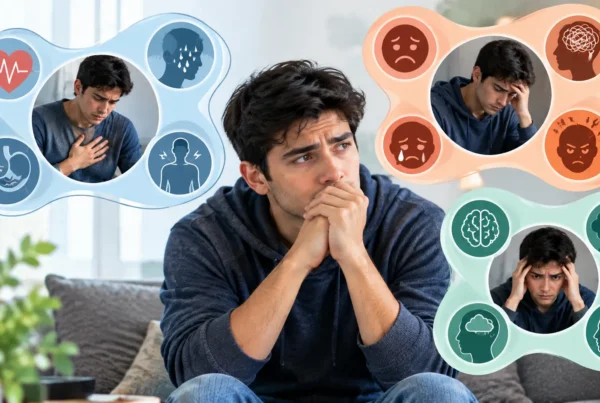
Picture a birthday dinner. Everyone’s laughing, someone’s telling a story you’ve heard before, and you’re sitting right there feeling like you’ve been slipped behind a pane of glass. You can see them. You can’t quite get to them. If that sounds familiar, you’re not imagining it, and you’re not being cold. Feeling cut off from people is something many people with depression describe, and it’s often the part they find hardest to put into words. Below, we cover why it happens, how it lands on the people around you, and when it’s worth looking into depression treatment in NJ.
What Disconnection Actually Feels Like
It doesn’t look the same for everyone. Some people go flat, like someone turned their emotions down to a low hum. Some still love the people in their lives but can’t find the energy to act like it. A friend texts good news, and you type “That’s great!” while feeling almost nothing. Your phone buzzes face-down on the table, and you let it.
The National Institute of Mental Health lists the symptoms clinicians look for: loss of interest or pleasure, fatigue, irritability, trouble concentrating, and feelings of guilt or worthlessness, among others. Disconnection isn’t on that list by name. It tends to grow out of those symptoms. And you don’t need every symptom on the list to be struggling.
Why Depression Pulls You Away From People
Start with energy. Depression drains it, and conversation costs energy. Showing up to dinner means being “on,” and when you’re running on empty, canceling feels like the only option.
Then there’s pleasure. When things stop feeling good, an evening out stops feeling worth the effort, so you skip it, and then you skip the next one. Depression also changes the story you tell yourself. Thoughts like “I’m a burden” or “nobody wants to hear this” show up sounding like plain facts. Cognitive therapy is built to challenge that kind of thinking, because it’s a symptom, not the truth.
Shame piles on. A lot of people pull back because they don’t want anyone to see them struggling. Trouble concentrating makes conversations harder to follow, and irritability can turn small moments into arguments. The trap is that it feeds itself. Less contact means less support, which makes your mood worse, which makes reaching out feel even harder.
What It Looks Like From the Outside
The people around you only see the behavior. Canceled plans read as not caring. One-word replies read as anger. Your partner starts to feel shut out, and a friend who’s been turned down three times quietly stops asking.
You don’t have to explain your whole inner life to fix that. Something short usually helps: “I’m having a rough stretch. It’s not about you.” A sentence like that can save a relationship a lot of damage.
Small Things You Can Try
None of this replaces treatment, but a few small moves can shrink the distance while you get help. Send one low-effort text. Tell one person how you’re really doing, in a sentence or two, no backstory required. Ask for something small and specific, like company on a short walk or a ride to the store. Try to keep your sleep and meals roughly regular.
And cut yourself some slack. Guidance based on NIMH materials points out that you can’t expect to suddenly “snap out of” depression, and that sleep and appetite often improve before mood does. If you’re sleeping better but still feel gray, that can still be progress.
When It’s Time to Get Help
NIMH describes depression as symptoms that show up most of the day, nearly every day, for at least two weeks. If that’s you, and it’s getting in the way of daily life, get evaluated by a doctor or mental health professional. Depression is treatable, and most people who get treatment improve. Searching for depression treatment in NJ is a reasonable next step, and so is booking a visit with your primary care doctor.
One more thing. Thoughts of death or suicide are part of the symptom list. If you’re having them, call or text 988 now or go to an emergency room. Don’t wait out the two weeks.
What Treatment Looks Like
Plans differ from person to person, but most involve therapy, medication, or both. Cognitive behavioral therapy, for example, helps you catch the thinking patterns that keep you stuck. Group therapy does something one-on-one sessions can’t: it puts you in a room with people who get it, which makes opening up less scary. If medication is part of your plan, expect to wait a few weeks before you notice it working.
Care also comes in different sizes, from weekly outpatient sessions to day programs for people who need more structure. Whichever you land on, good depression treatment in NJ starts with an assessment. A clinician should ask about your symptoms, your history, and what you want your life to look like, then build a plan from there.
Depression Treatment at New Life Mental Health
New Life Mental Health is in Saddle Brook, New Jersey. Along with depression, it treats anxiety, bipolar disorder, OCD, trauma, and other conditions. Its care options start with Partial Care, a full-day program that meets five to six days a week, and step down to an Intensive Outpatient Program and regular Outpatient care. There’s also an Executive Program for working professionals. If someone’s in crisis, the team works with psychiatric hospitals to get them placed and then back into ongoing care.
Therapies listed on the site include CBT, DBT, ACT, group therapy, and mindfulness-based approaches. If you’re comparing options for depression treatment in NJ, New Life offers a free initial assessment and verifies your insurance.
Start With One Conversation
You don’t have to stay behind that glass. If you’re ready to look into depression treatment in NJ, call New Life Mental Health at (201) 584-4516 or fill out the contact form at newlifementalhealthnj.com. The team can explain the levels of care and verify your insurance. If you’re in crisis, call or text 988.
Frequently Asked Questions
Editorial Guidelines & Medical Review
At New Life Mental Health, we believe that access to accurate, evidence-based mental health information is essential for anyone seeking to understand their treatment options or support a loved one through their mental health journey. Our editorial guidelines ensure that every piece of content we publish meets the highest standards of accuracy, clarity, and clinical relevance.
Read More About Our Process